In storm-battered Louisiana, a surprise visit turns a family reunion into a suspenseful standoff.
What begins as a quiet early-morning reunion, gradually unfolds into a darkly comic mystery about oil, activism, and family loyalty.
At first the situation feels purely familial — a relative returning home after years away. But as the conversation deepens, something larger begins to surface beneath the humor: a carefully constructed puzzle about trust, motives, and how far someone might go to defend what they believe.
Playwright Patricia Milton builds tension patiently, allowing the story to reveal itself piece by piece as family affection collides with environmental conviction.
Story Line
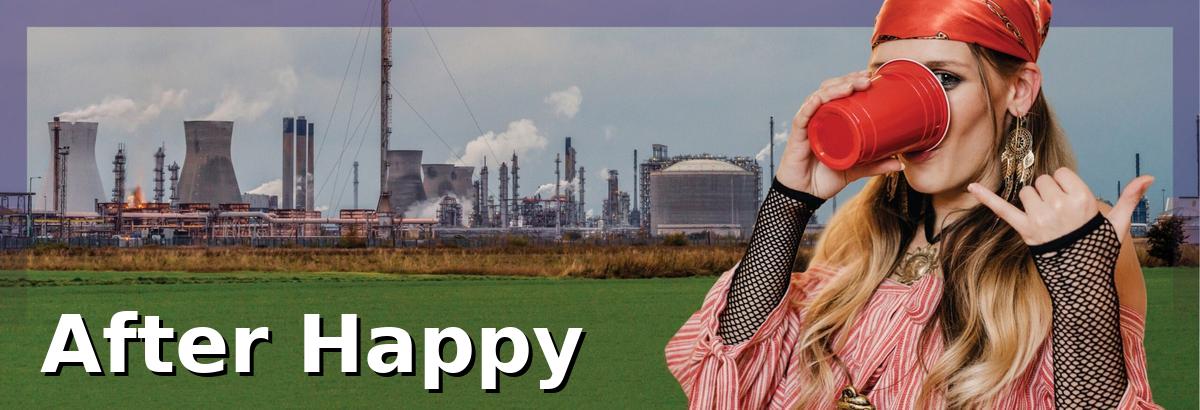
Lake Charles, Louisiana is still recovering from a devastating hurricane named Happy. Many residents still live beneath blue-tarp roofs, yet the town’s beloved Pirate Festival — sponsored by the family-owned Noble Oil company — is determined to go on.
Brenda Barrow, the company’s controlling owner, suddenly faces a festival crisis when the scheduled Pirate Queen drops out at the last minute.
Before dawn one morning, another surprise arrives: Brenda’s estranged niece Katherine “Kat” Freeport appears unannounced at the door. As a member of the family behind Noble Oil, Kat is tied to the very company she now openly opposes.
Now a climate activist, Kat seems to have returned home with more than an apology. When her associate Steph arrives carrying a mysterious green bag, the uneasy reunion turns into a tense confrontation involving family loyalty, corporate reputation, and Noble Oil’s controversial plan to purchase forest land in Liberia — a deal presented as environmental protection but viewed by Kat as corporate greenwashing.
As the morning unfolds, Brenda begins to suspect that Kat’s visit may be part of a carefully planned mission — one that could disrupt far more than the Pirate Festival.
Historical Context: The Real Stakes Beneath the Story
After Happy taps into tensions now shaping many communities tied to fossil-fuel industries.
For families whose livelihoods depend on oil and gas production, climate activism can feel like a direct challenge to economic survival and identity.
By framing global environmental debates inside a single family relationship, Patricia Milton explores how generational change, political belief, and personal loyalty intersect.
The hurricane may be fictional — the conflict surrounding it is not.
Fascinating Dynamic
Jan Zvaifler delivers a vividly entertaining performance as Brenda Barrow. Her character carries herself with the confidence of someone accustomed to running both a family business and a community festival. Zvaifler fills the role with animated gestures, sharp timing, and a wonderfully colorful Louisiana drawl.
Brenda’s dialogue is laced with memorable Southern expressions such as:
Plain as a beetle bug in a sugar bowl.
Obnoxious as a fart in an elevator.
Butter my butt and sell me as a biscuit.
Hearing these delivered with Zvaifler’s perfect timing drew some of the evening’s biggest laughs.
Lauren Dunagan’s Katherine provides the emotional counterweight. Her Kat arrives nervous and determined, clearly pursuing a plan that she reveals only gradually. Dunagan allows flashes of vulnerability beneath the character’s activist resolve, suggesting that family ties remain more complicated than Kat might like to admit.
Watching the two circle each other — part affection, part suspicion — becomes one of the play’s compelling dynamics.
A family reunion slowly transforms into a suspense story about climate activism, corporate power, and divided loyalties.
Desire Shapes Perception — and Perception Reshapes Truth
Director Gary Graves uses the intimacy of Central Works’ stage to great advantage.
The play unfolds almost like a chamber mystery. Small details begin to accumulate significance — a bag placed in the corner, a hurried phone call, a detail that doesn’t quite add up.
Rezan Asfaw enters as Steph, Katherine’s collaborator, bringing a tightly wound intensity that increases the sense of urgency.
At that point we all lean forward, sensing that the morning visit might not end as simply as it began.
Milton structures the play like a mystery — the tension lies in discovering what might happen next.
Scenes move easily between humor and suspense.
Arguments about pirate costumes, family history, environmental responsibility, and corporate reputation swirl through the room while we try to piece together the visitors’ real intentions.
Milton carefully releases information, allowing us to assemble the puzzle gradually.
By the final moments, the pieces fall together in a resolution that feels both surprising and inevitable.
We laugh often, but the questions beneath the humor grow steadily sharper.
When Tradition Meets Activism, the Real Conflict Becomes the Future
Central Works has built its reputation on producing thoughtful new plays that engage contemporary issues.
After Happy continues that tradition by exploring the uneasy intersection between family loyalty, environmental politics, and economic survival.
Milton’s script avoids easy answers. Instead, she places three characters inside a moral crossroads where every choice carries consequences.
As I left, I found myself thinking less about who had “won” the argument and more about how complicated the questions really are.
That lingering uncertainty is part of what makes this world premiere so engaging.
Central Works once again proves how compelling new theater can be when strong writing meets strong performances.
How to See
After Happy
Central Works
Berkeley City Club
2315 Durant Ave., Berkeley
February 26 – March 29
Runtime: 70 minutes — no intermission
Tickets: $35–$45
centralworks.org