

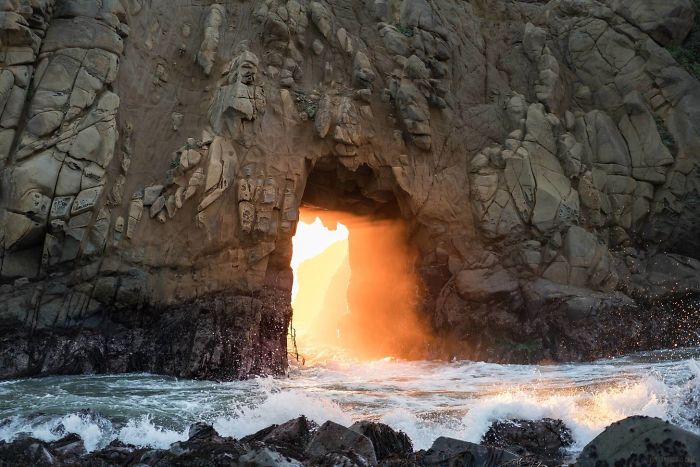
Doorway To Heaven in Big Sur
Maple Ridge In Japan
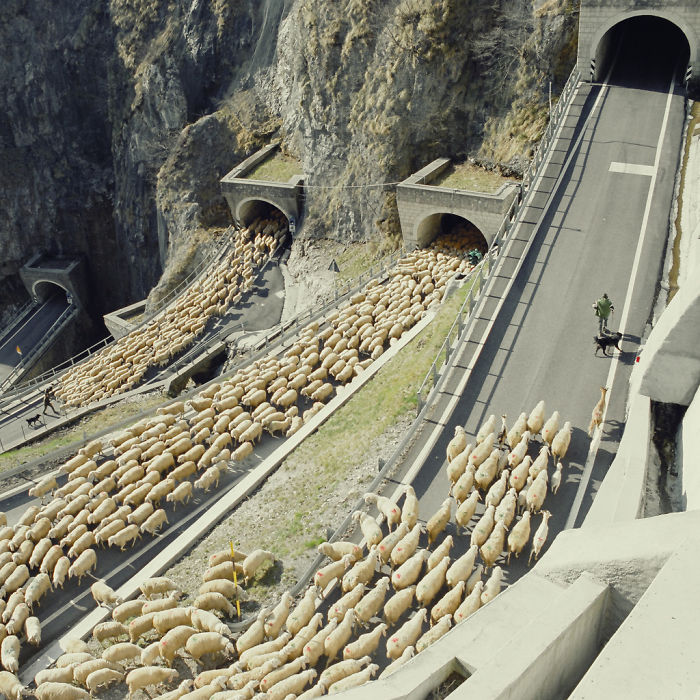
A Hotel In The NetherlandsSheep Going Through San Boldo Pass, Italy
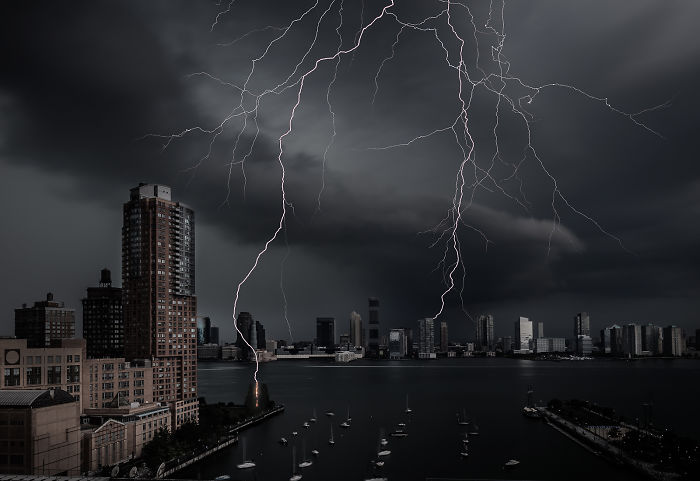
New York City Absolutely Massive Lightning StrikeCompletely Spanning The Hudson River.
Under The Iceberg
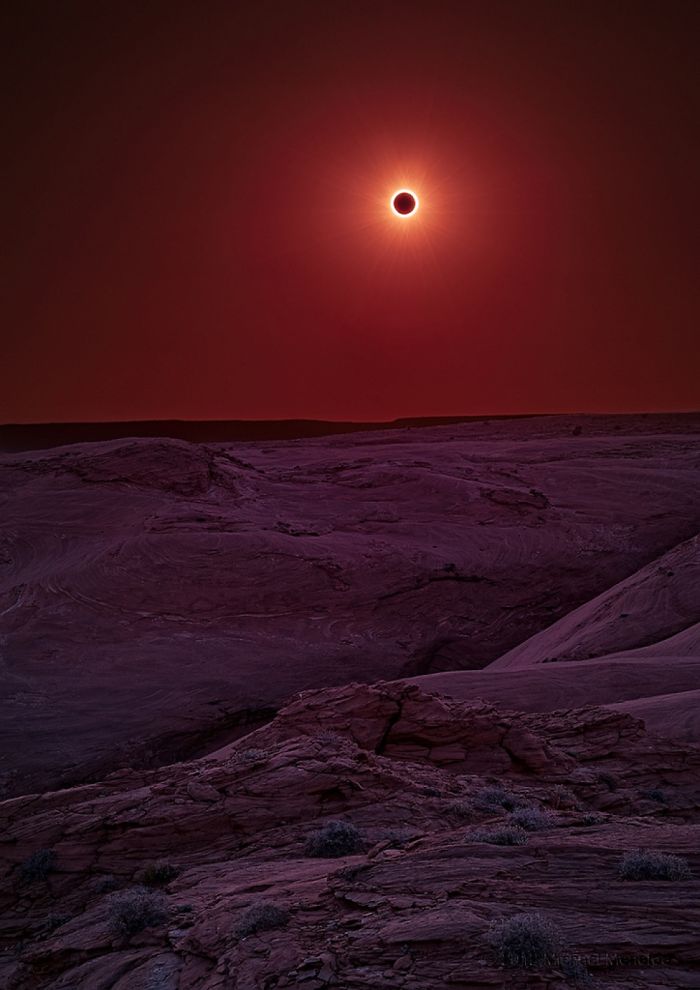
Fallen Tree Is Holding Back The DuckweedSolar Eclipse
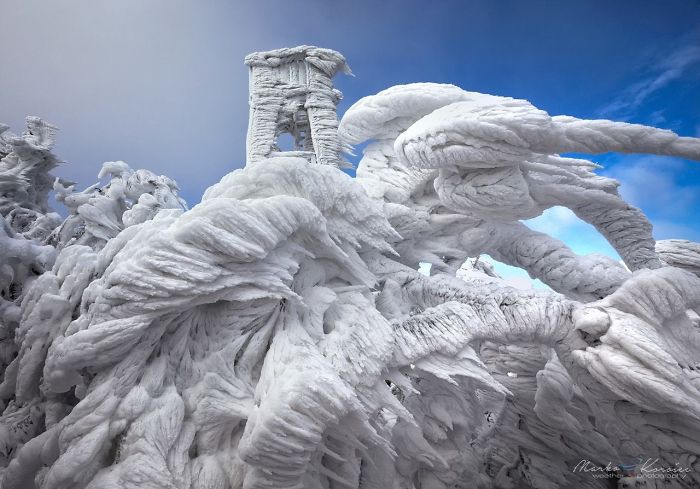
The Way This Ice Froze
Smog Over Almaty, Kazakhstan
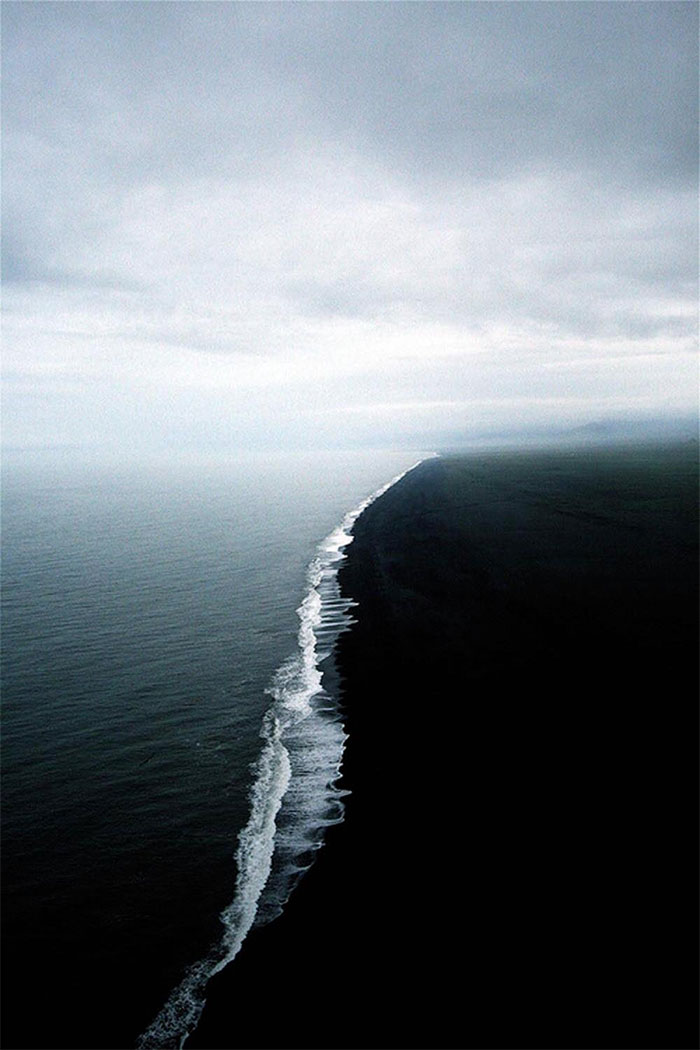
The Gulf Of Alaska, where two oceans meet but do not mix
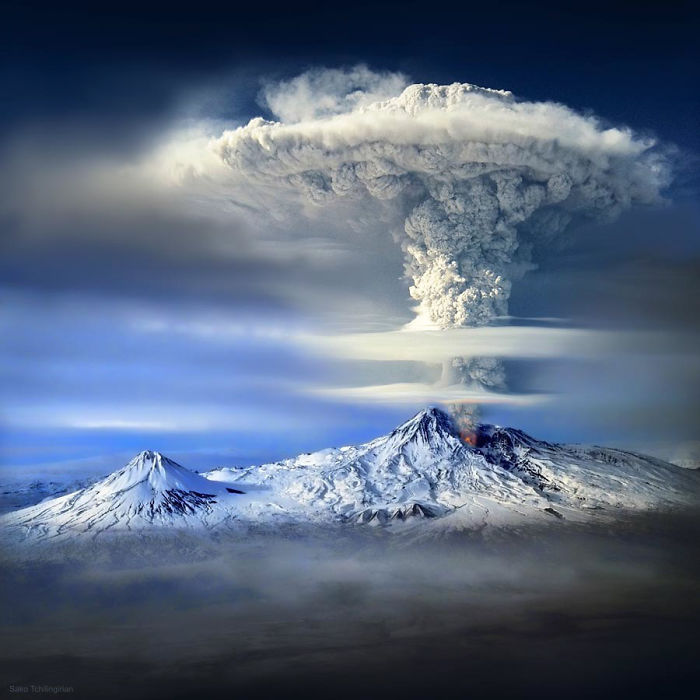
The Eruption Of Mount Ararat
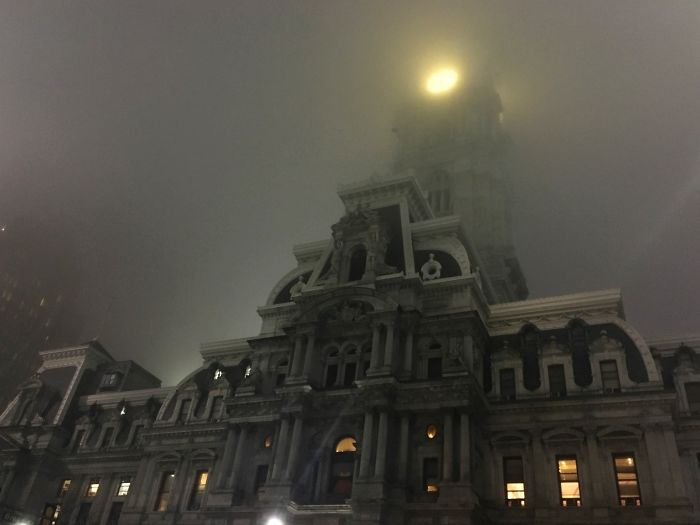
Philadelphia City Hall; Like being in San Francisco
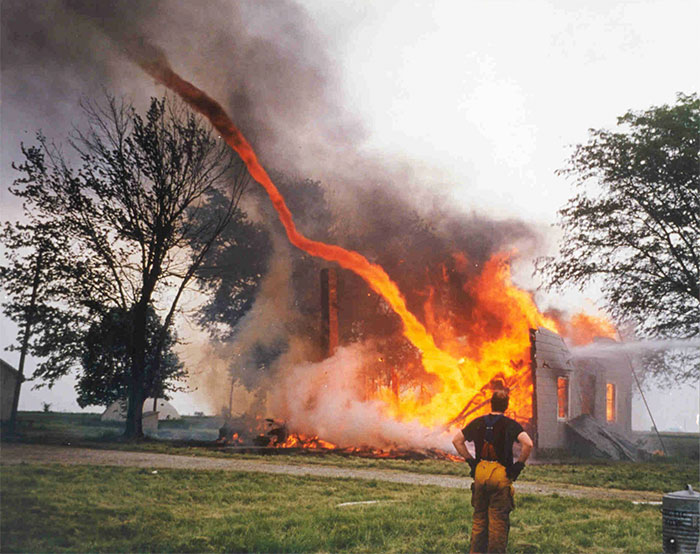
Fire and Tornado
Bent Rail Tracks After A New Zealand Earthquake
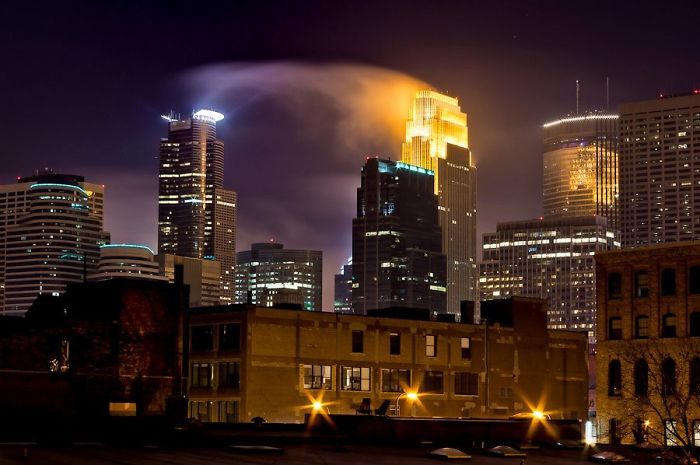
Looks Like One Of The Buildings Is Draining Energy From The Other
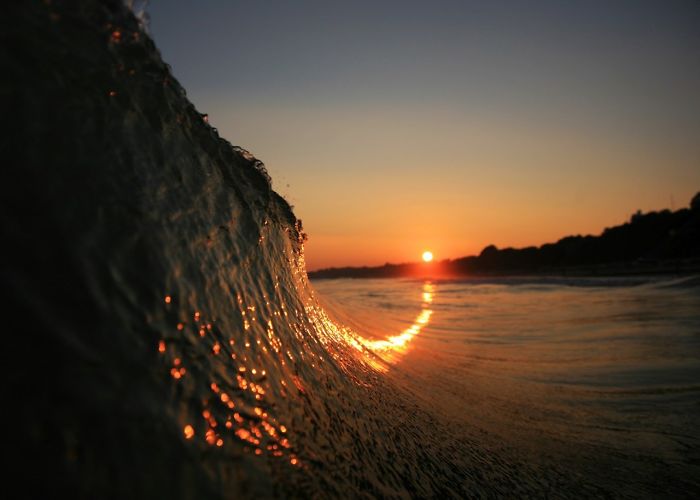
Sun Curling Up A Wave
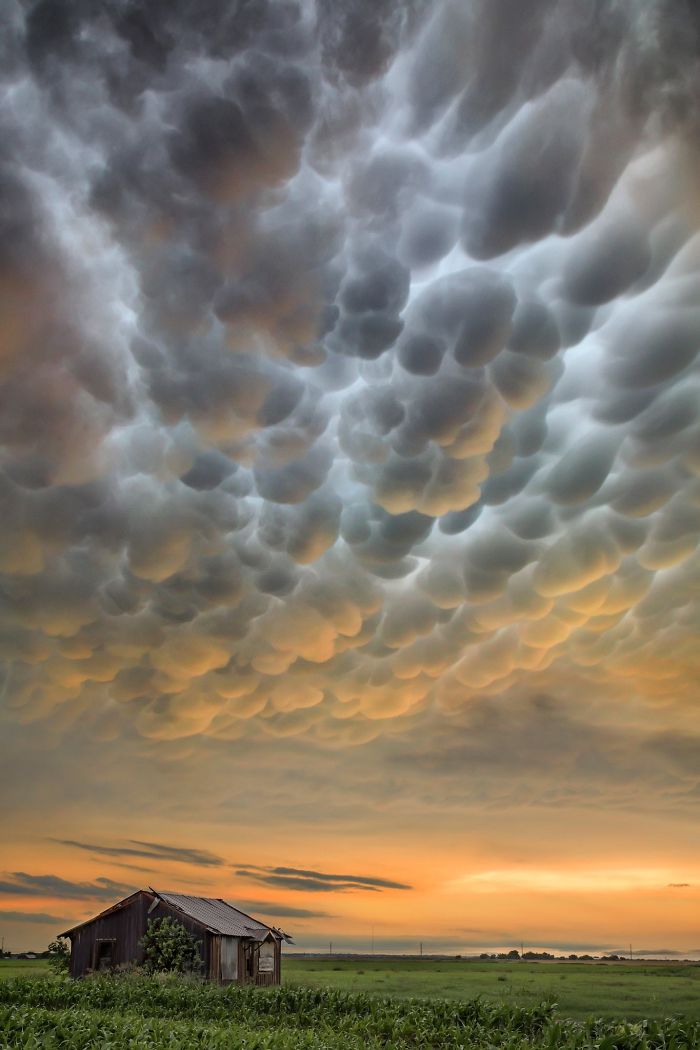
Mammatus Clouds KANSAS
Frosted Trees
This Cloud Looks Like A Feather
Washed Car
Atop Mt. Javornik, Slovenia
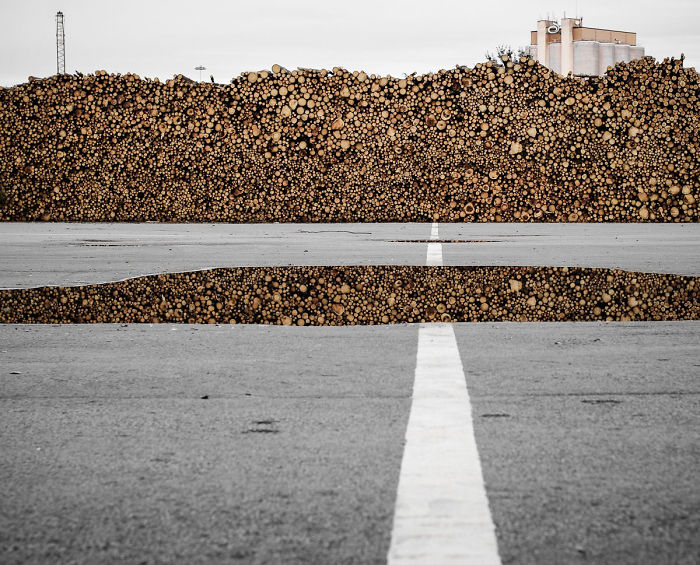
A Pile Of Timber Reflecting In A Puddle
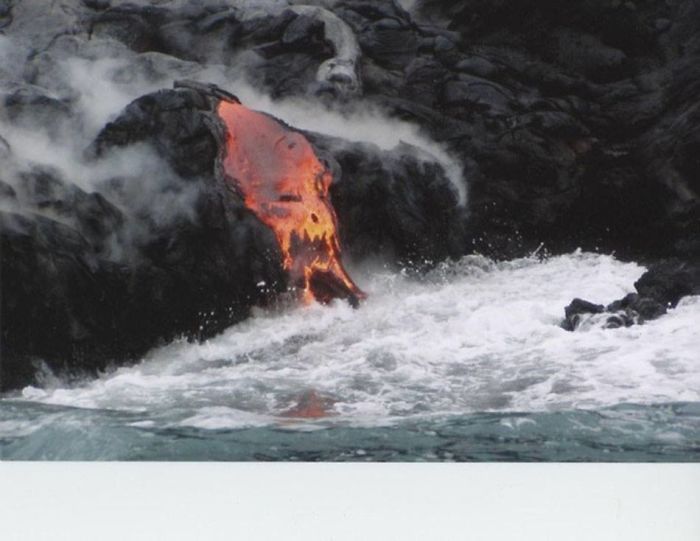
Lava Skull Descending Into the Ocean
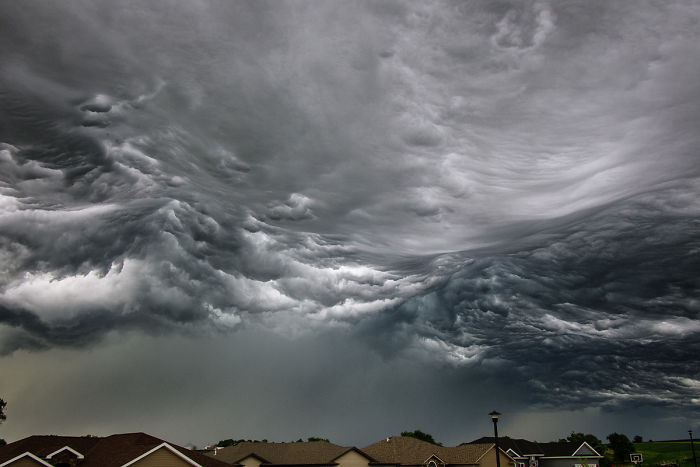
Sky That Looks Like A Rough Sea
Pancake Ice
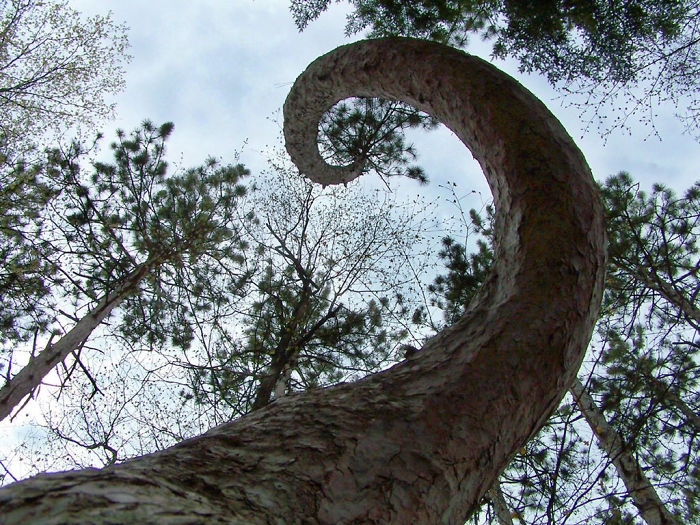
Spiral Pine
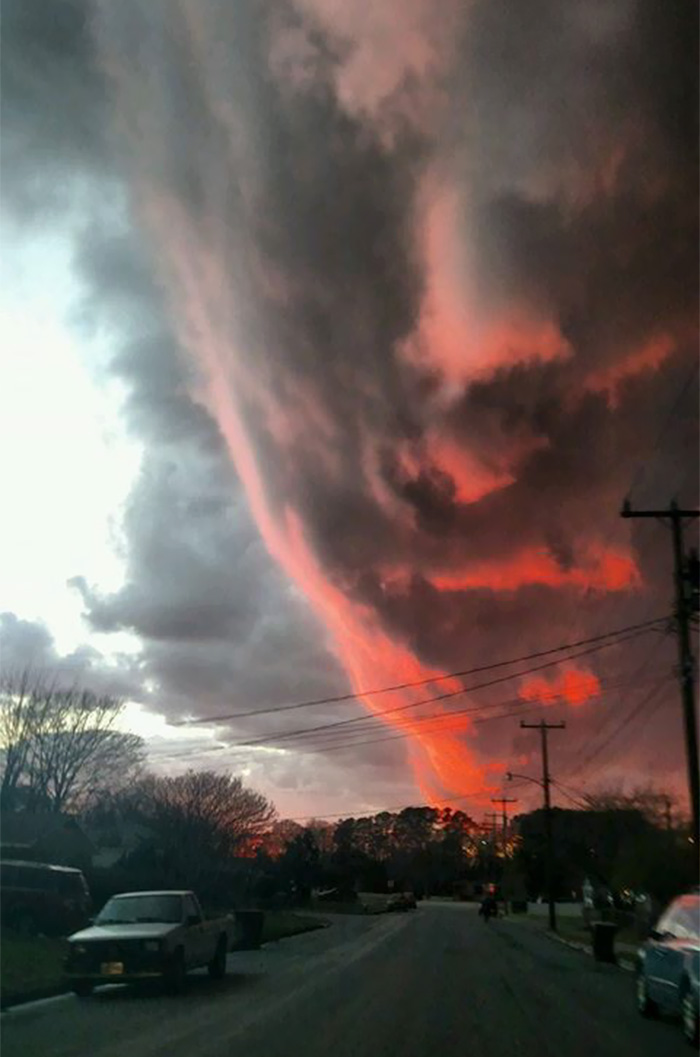
Clouds In Hampton Roads, Virginia
Waterspout Over Tampa Bay













Tyler Jeffreys (above), Moshe Goodman (below). All photos by Squirrel Visuals.
Christopher Chen, born and raised in San Francisco, is one of the Bay Area’s favorite playwrights. Innovative in structure and subject, funny and thoughtful, his plays break new ground. But the title block on the program itself suggests that “The Late Wedding” goes a step beyond even his extraordinary. Rather than stating that the play is “by” the playwright, it indicates that the play is “from the notes of Christopher Chen.” This odd citation becomes the crux of the play’s structure and the basis for its criticism. Those who favor the absurd; who value creativity; who appreciate skit comedy; and who follow the work of the playwright will be most drawn to this play.
With their fully-staged production of Chen’s work, kudos to Mountain View’s Pear Theatre for leading the way in the return to indoor theater after 15 months of pandemic-imposed darkness. The adventuresome small company not only offers socially-distanced indoor performances to a play with a full cast, but also outdoor performances and online streaming, to accommodate all manner of theater lover. Hallelujah!

Carissa Ratanaphanyarat, Stephen Kanaski.
The company gives a spirited rendering of the play, directed by Sinohui Hinojosa. The cast is led by the highly animated Annamarie MacLeod as the narrator, who tries from time-to-time to inject meaning into the proceedings. Six other actors play multiple roles in the dozen-ish sketches that comprise the narrative. Largely, the performers fit the characters well and imbue them with verve, though not all are equally convincing.
So, what is the playwright up to? Chen acknowledges in the play itself the influence of Italo Calvino’s “Invisible Cities,” in which Emperor Kublai Khan discusses with merchants the cities that they trade in – thereby learning the nature of people in the various outposts. In the case of “The Late Wedding,” relationships replace cities. The unfolding of funny foreign social practices yields farcical situations that produce more smiles than hardi-har belly laughs.
The first three segments provide a humorous anthropological look at what conventional people would consider strange marriage practices in these fictional places. For example, in one venue, courtship is so revered and marriage considered such a letdown that true believers remain apart after marriage for as long as they can! In another, marriage is so open that parents routinely don’t know who the fathers of their children are.

Annamarie MacLeod.
The formula then shifts to what Chen calls interludes, which are also segments largely focused on relationships. In a thriller episode, a spy meets her handler and tries to prove legitimacy, despite having forgotten part of the passcode. In a latter segment, a spaceship seeks the celestial bodies of the Calaman Islands, which played as a separate honeymoon destination for the earlier couple who planned to live blissfully apart. While this closes one story loop, it doesn’t provide a prism through which to see the full procession of vignettes.
Many other playwrights have used absurdism as a central theme, such as one of Calvino’s inspirations, Luigi Pirandello, with his “Six Characters in Search of an Author.” And giving broad latitude to directors on fleshing out and casting shows with many roles has been done by the likes of Caryl Churchill in “Love and Information.” But as opposed to Chen’s play, those pieces convey the sense that they were completed as designed. That said, while much action in “The Late Wedding” is fanciful and disjointed, it is underscored by important themes such as social mores, time, perception, change, and morality.

Gaz Jameel, John S. Boles, Tyler Jeffreys.
“The Late Wedding” gives the sense that the playwright cobbled together several ideas that he couldn’t fully develop individually. The fact that attribution of the play is to “the notes of Christopher Chen” and that a comment within the play notes that it includes leftovers conforms with the thinking that the sketches are an omnium gatherum. It even raises the question of whether he is responsible for the final text. Also, extraneous “notes” appear throughout the play, including grocery lists and questions whether certain commentary in the manuscript was intended to be text or the playwright’s notes to himself. And the final support to the notion that the design is not premeditated is that there is explicit reference to writer’s block.
Of course, all of these diversions could be subterfuge – red herrings to make the audience think that the structure is chaotic rather than calculated to seem incoherent. In any case, it is provocative and entertaining. But ultimately, does the work stand on its own as patchwork comedy? As metatheatrical exposition? As an expression of absurdism? Is it art? It’s up to you to decide.
“The Late Wedding” from the notes of Christopher Chen is produced by Pear Theatre and plays on its stage and outside of that venue at 1110 La Avenida, Mountain View, CA, and streaming online through July 18, 2021.
 Victor Cordell, PhD
American Theatre Critics Association
San Francisco Bay Area Theatre Critics Circle
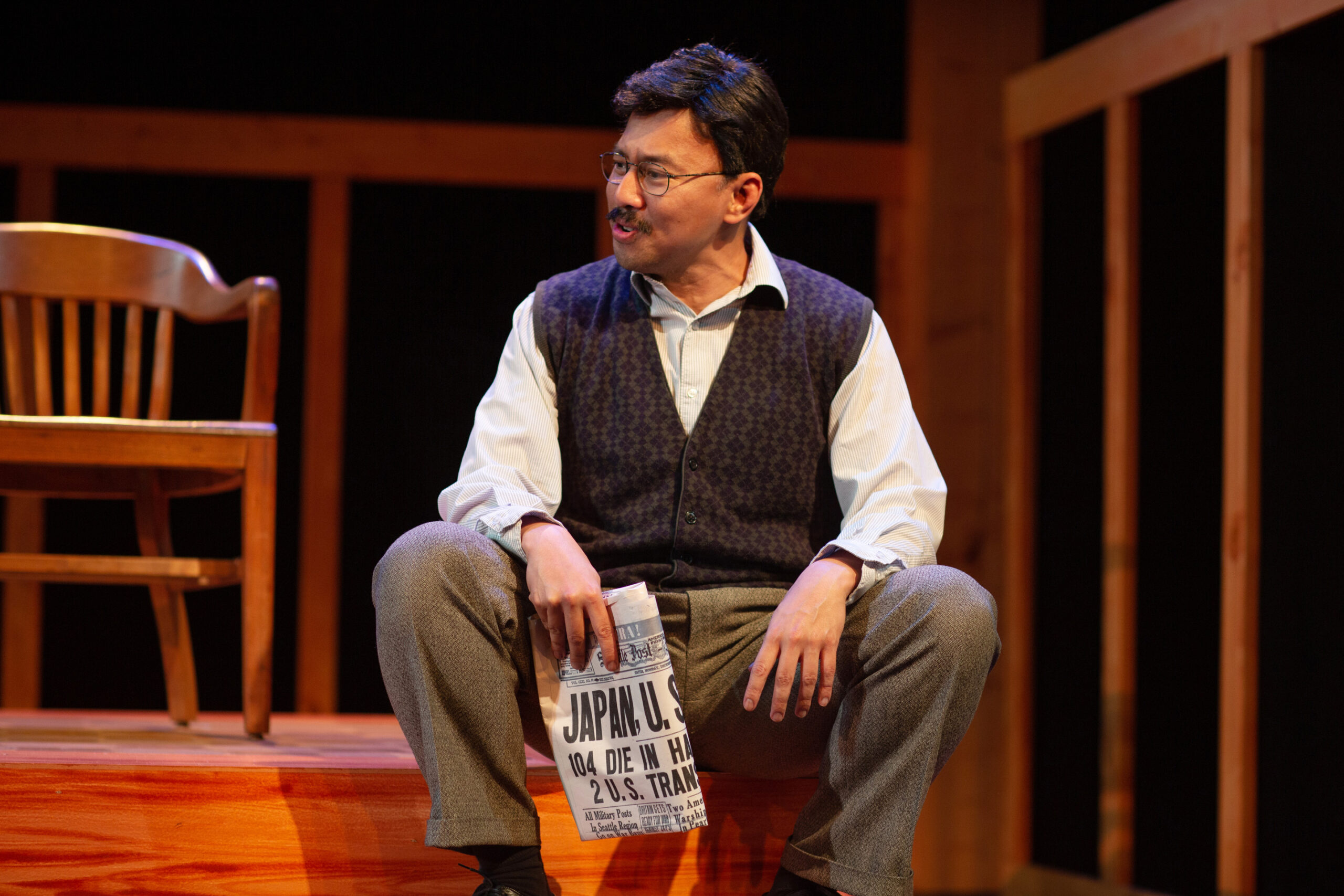
Jomar Tagatac as Gordon Hirabayashi. Photo by Jessica Palopoli.
Gordon Hirabayashi grew up in Washington state as a nisei, a second-generation Japanese-American. Although imbued with reverence for the United States Constitution, his “aha” moment comes upon his initial case before the United States Supreme Court, realizing then the painful contradiction between the Constitution as a most laudable political contract and those who were appointed to uphold it.
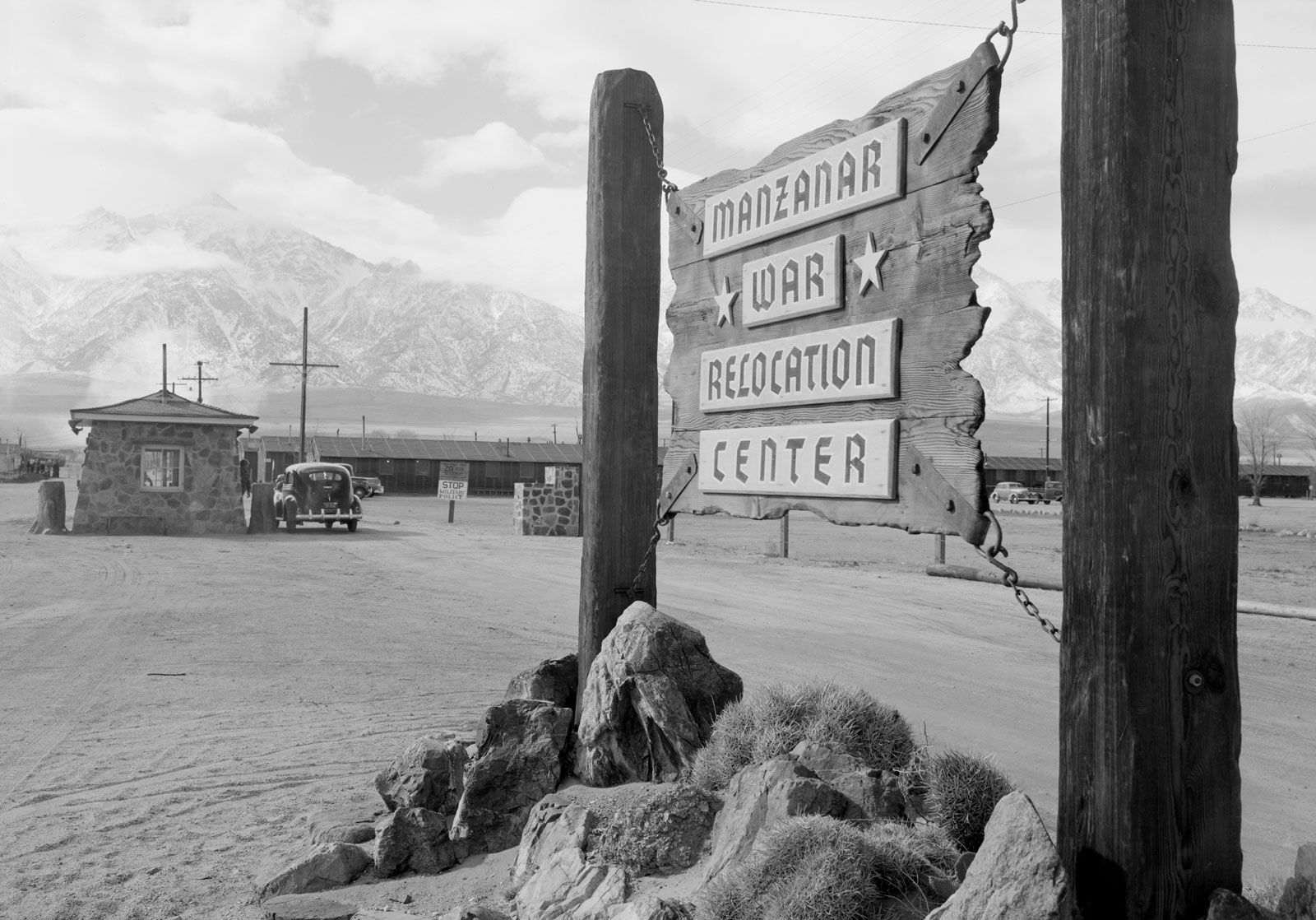
Manzanar Relocation Center. Gordon Hirabayashi’s family was interned shortly after the attack on Pearl Harbor.
Playwright Jeanne Takata’s one-man, biographical drama “Hold These Truths” beautifully captures Hirabayashi’s courage and sacrifice in challenging President Franklin D. Roosevelt’s 1942 Executive Order 9066, which consigned Japanese-Americans, including those who were American citizens, to internment camps during World War II. This act displaced human beings based strictly upon race, forcing them to virtually give away businesses, property, and personal possessions.
Unlike any other nation, American polity is anchored in the bedrock of a set of glorious documents that provides a guiding light for democracy. At conception, its Declaration of Independence embraced the radical notion that “We hold these truths to be self-evident, that all men are created equal.” And at its birthing, the Preamble to the U.S. Constitution observes that the first objective of the American people is “to form a more perfect union,” conceding the new nation’s flaws at outset, but implying the quest of better welfare for its posterity.
American democracy has largely improved with age but not without suffering setbacks. Egregious and systemic racism is at the core of many of our failures to live up to the grandiloquence of our ideals – slavery as an accepted practice at our inception; breaching of innumerable treaties and other agreements with Native American tribes; Jim Crow laws in the South to deny African-Americans their rights following the emancipation amendments; the Chinese Exclusion Act of 1882 suspending Chinese immigration; the rejection of Jewish refugees during World War II and in the face of the Holocaust; and the blatantly discriminatory voter suppression laws passed or currently proposed by Republicans in over 25 states that are designed to impair blacks’ and other minorities’ ability to exercise their most cherished democratic rights. All of these horrific practices fomented by our elected leaders serve to generalize the specifics of this play concerning the Japanese Relocation Order.
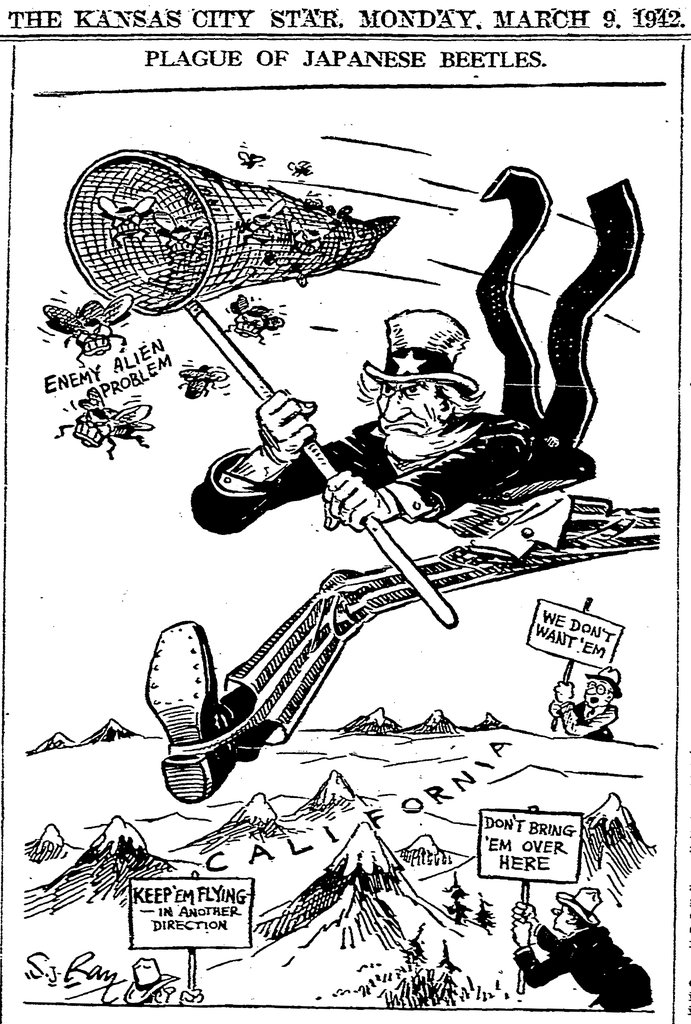
Political cartoon inciting fear of Japanese-Americans.
“Hold These Truths” is a love letter from the playwright to Hirabayashi’s memory. Seemingly an average kind of guy who is a little diffident and socially clumsy, Takata largely applies a light touch to his childhood and time as a student at the University of Washington. Although Hirabayashi adheres to the cautions of Japanese geography in Seattle, meaning he knows to avoid walking certain blocks because of anti-Japanese signs and in which shops and cafes he won’t receive service, he lives like a typical poor student.
Inflamed by the wartime actions against Japanese-Americans by the government, but lacking any expertise or strategy, he rises to the occasion and defies the order, certain that he is protected by the Constitution. Some droll incidents occur after he is found guilty. For reasons that won’t be shared, he asks for a longer sentence than he is originally given, but is told that the court doesn’t have the funds to transport him to an appropriate facility. So, he negotiates to wend his way to prison on his own recognizance! 1,500 miles away! In Tucson, Arizona!
The pace of “Hold These Truths” is a bit pedestrian, yet it excels in storytelling. Surprisingly, a relatively small portion of it is dedicated to the reason that we care about Gordon Hirabayashi – the Supreme Court cases that challenged the unequal treatment of Japanese-Americans in World War II on the basis of race. Yet, the character is very involving, and the storyline holds the audience’s attention.
A key element that makes the play work is the astounding tour-de-force performance of Jomar Tagatac, who conveys such genuineness and believability in the main role. The actor has become recognized as one of the great performers in the Bay Area, but he has been seen in plays with ensembles in which he constitutes part of a whole. Now he has proven beyond a doubt that he can single-handedly carry a one-hour-and-forty-five minute production with great conviction.
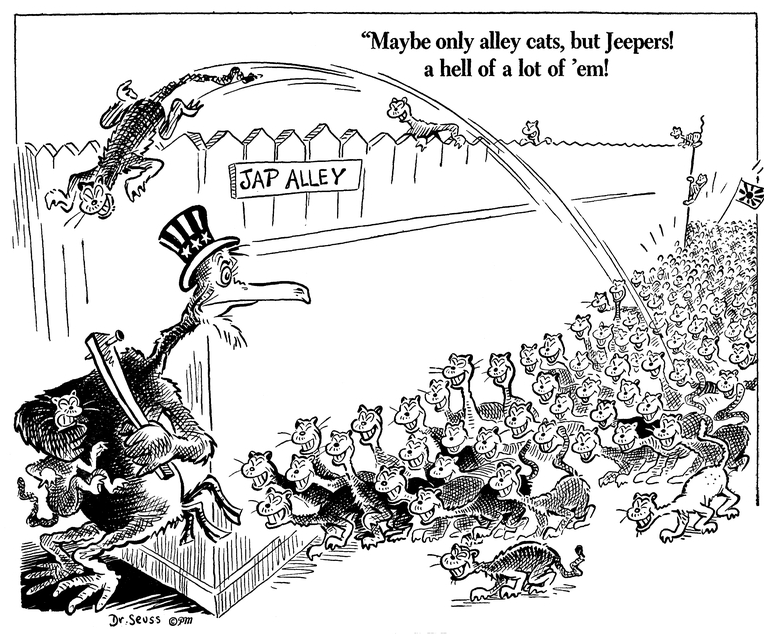
Another political cartoon inciting fear of Japanese-Americans. Note that the cartoonist is Dr. Seuss.
As Hirabayashi, Tagatac displays a wide range of emotions with engaging animation. With Jeffrey Lo’s direction, his movement around the spare set and changes in affect keep the action lively. In addition to playing the central character, he voices and mimes many others, from his mother and father to prisoners and judges. His voicings are distinctive, yet never exaggerated. Significantly, he uses posture and micromovement with remarkably subtle precision to bring even brief characterizations into focus.
This review is of a first preview, and in normal times, one would not publish a review of a preview. Of course, these are not normal times. Because of pandemic capacity constraints, SF Playhouse must spread the reviewers across several nights and has requested this exception. This is the first indoor live performance that this theater lover has seen in 15 months. There were a few hiccups along the way, but who cares? I won’t even mention what they were. It is a highly recommended theatrical experience.
“Hold These Truths” is written by Jeanne Sakata, produced by San Francisco Playhouse, and plays on their stage at 650 Post Street, San Francisco, CA through July 10, 2021. It is also available streaming online throughout the run.
Asian Art Museum Open and Exciting
Carol Benet
The Asian Art Museum is now open and offers three extraordinary exhibits, all on the first level. They attest to the change in policies in the Asian that now wants to emphasize contemporary art as well as offer its traditional Asian art galleries on the upper levels which are also open.
The three contemporary exhibitions welcome the viewer. First, in the Lee Gallery is a display of over 50 short videos in “After Hope” where international political issues are addressed as well as Asian art motifs from the past. On the wall facing the video screen are posters reflecting the pain of the anti-Asian violence that has just erupted in our country, thanks to the thoughtless remarks from the former president about the unproven claims that Covid 19 was caused by the Chinese.
The posters also advertise sentiments saying “Yellow Peril Supports Black Power” and “Asian for Black Lives” in addition to displays of cartoons, reproductions of short essays and other relevant out-cryings from artists in countries as diverse as Iran, China, Syria that have been targeted by prejudice.
Three socially distanced benches facing the screen invite visitors where they can take a rest or park the kids for awhile while they see the other parts of the display.
The second exhibit in the Hambrecht gallery shows “Mementos” by two artists with two impressive large works. Jayashree Chakravarty’s large hanging derives from her memories of her hometown Kolkata in West Bengal, India. She has constructed a kind of map of the city using cotton as the backing on top of which she layers rice paper and tissue . On this background are small squares symbolizing houses, mountains, trees and roads outlined with stains of natural pigments including coffee and tea. In some places she creates a golden and silver luminescence from special paints giving the undulating hanging a shimmering quality. The work can be seen by walking around it. It is very elegant.
The other installation in this gallery is a two sided video by Hong Kong artist Lam Tun Pang. ‘A Day of Two Suns” has moving images of birds on branches, trees, and rocks surrounded by rising water. As you walk around the video screens your own shadow becomes incorporated in the work allowing an interesting interactive touch.
The Osher Gallery features the Bay Area Artist Zheng Chongbing whose works were commissioned by the Asian Museum and signal its emphasis on contemporary art. A large painting in blacks and grey ink and acrylic take up an entire wall. Facing this is a video with two separate screens around which you may walk to enjoy them from two sides. And on another wall is a display of many of this artist’s sketches and works in process that resemble architectural designs.
Zheng Chongbin’s spectacular “I Look for the Sky” hangs above the Bogart Courtyard outside the Osher Gallery . This is an impressive series of constructions that resemble architectural forms that could be taken as buildings. He is one of the Bay Area’s most creative contemporary artists.
All three galleries on the first floor were donated by people who lived on the Tiburon Peninsula, The Lee’s, Osher’s and Hambrecht’s. The Asian Art Museum requires reservations, but the day I went it was quite empty and they welcomed me. It is also open Thursday nights from 5 to 8 pm. asianart.org
Pompeii and Wangechi Mutu at reopened Legion of Honor
Carol Benet
With two huge volcanoes currently raging the world (Congo and Iceland), an exhibit on Pompeii could not be more timely. Why is it that people like to revel in disaster and seek it out as part of their entertainment in movies and museum exhibits?
The recently reopened Legion of Honor presents two exhibits, “Last Supper in Pompeii” and “Wangechi Mutu: I Am Speaking to You, Are you Listening”. As different as they are, they both depict remnants of disasters and dwell on them.
“Pompeii” is a collection of items used in the preparation and the partaking of meals, with emphasis on wine produced in the volcanic soil surrounding Mt. Vesuvius. Volcanic soil around both Etna and Vesuvius are rich for wine grape growing. The disastrous volcano that destroyed the entire city and its inhabitants took place in A.D. 79. People have been fascinated by it since then. This exhibit is part of this curiosity that has continued for centuries.
Much of the exhibit is about the wine industry at the time. Renée Dreyfus, Curator of Ancient Art at the SF Museums of Fine Arts, has contributed to this exhibit. and points out that people in the first century gravitated to Pompeii as a luxurious destination from Rome, much like the way pleasure seeking people head for Napa Valley to eat and drink.
In the past Dreyfus has brought other interesting exhibits to the museums that shine a light on traditional viewing of Greek and Roman sculptures now seen in stark white where she points out and demonstrates the original colors they bore. She also organized an exhibit on Thrace, an unusual and unknown subject for an art exhibition.
Most people know about the destruction of Pompeii by the volcano Vesuvius in A.D. 79. In this exhibit their knowledge is expanding by knowing how they lived, ate, drank and spent their leisure hours.
On display are many wine vessels, pitchers, cups, bowls, often in silver with a myriad of designs. The history of the wine industry in Pompeii is well labeled and introduced by a statue of Bacchus, the god of wine, is apparent.
Cuisine is the other important subject of the exhibit with preparation vessels, plates, utensils on display. This part is not so interesting as it is predictable. But a narrow room with a fresco, paintings and statue of a giant phallus attest to the love these people had for erotica as they used it as decoration of their homes. This gallery is off-bounds to youth attending the museum.
The finale of the exhibit is a short video with computer graphics that recreates the volcano and show how it destroyed the buildings and the city, bit by bit. ‘Last
supper in Pompeii: From Table to the Grave” runs at the Legion through August 29. Reservations are a must.
The second exhibit, upstairs, mainly in the Rodin galleries are the works of the Kenyan American artist Wangechi Mutu. Her exhibit “I Am Speaking to You, Are You Listening” is a series of mostly sculptures and some paintings. The works are spread among the standard Rodin sculptures as if they are in dialogue with this European male artist’s presentations of his reality. It was the former director of the Fine Arts Museums of San Francisco Max Hollein who first starting putting the contemporary and sometimes shocking works next to the standard fare of the Legion. He was much criticized for this. This criticism didn’t matter to him because after San Francisco he took up the helm as director of the Metropolitan Museum of New York.
Mutu’s sculptures are many layered. Two greet the visitor in the courtyard before the entrance of the museum and at the the base of the famous “Thinker” of Rodin as if the figure is pondering the disaster below. Here Mutu has placed two bronzes, bodies covered by blankets covering two figures, These are identifiable as female because of the pointy toed very high sexy heeled red shoes poking out. An overt reference to violence against women. Also in the courtyard are two huge bronze sculptures that represent mythological female goddesses.
In the entrance hall of the museum is another reclining sculpture and beyond that in the main Rodin gallery is “Sentinel IV” made of several materials including wood, soil, branches, paper and black hair. The standing sculpture is set apart by strands of large black beads. This statue stands on a platform of earth red soil, a motif that is present in other of her sculptures.
Three photographic prints of ink and emulsion are placed in the next Rodin gallery with three busts emphasized with mirrors. A standing sculpture has an exaggerated hairstyle and fringe replicating a skirt.
Mutu uses a rich assortment of materials as she works in many genres. She refers to questions surrounding feminism. She has exhibited at the Metropolitan Museum of Art and the 2019 Whitney Biennial in New York. Her works are a welcome addition to the once staid collection of European art at the Legion. This exhibit runs through November 7, 2021. 41 5 750 3600 or www.famsf.org.
Moved to Texas from New Jersey over 30 years ago. Thought I had died and went to heaven when I began looking for a home to purchase. Real Estate was 40% of New Jersey/New York.
Back of the FUTURE >>>>>>>>>>>
CNN reported on the craziest real estate market in southwest.
https://www.cnn.com/videoshousing-mark/business/2021/06/05/austin-texas-et-home-buying-zw-orig.cnn-business
Austin Texas – Country music, Hi-Tech companies, Bar-b-que, Dance Halls, UT University, Southern Beauties, Local Beer, Good Whiskey, they have it
The wild west is open again and we are waiting for the stampede to descend on Waco Texas.
Whether you are a Fixer Upper fan or just want to experience the good old west, Waco Tx should be on your itinerary of places to visit. I have to admit that at this time I-35 north of town is a challenge for those who have grown to expect no traffic jams in our fair city. But progress requires some suffering – for the next year or so while the state expands this section of I-35 and– suffer we will. But once through this bottle neck, you will experience roads that flow and polite drivers who move over and welcome you with their southern geniality.
However today I am toting a different experience for those who are bridge enthusiasts. Waco is home to three bridge clubs have just recently reopened and are hankering for players to descend on their doors. All Bridge Clubs in our city play at the Sul Ross Senior Center, 1414 Jefferson St, Waco Tx –
These are ACBL sanctioned clubs – but they welcome all players – membership in ACBL is not required.
The Monday Slammers Bridge Club meets on Mondays at 1 pm
Sul Ross Bridge Club has two sessions – Tuesday and Friday also at 1 pm
These are open to all players with no masterpoint restrictions.
The 0-500 Bridge Club meets on Thursday at 12:30 pm – and is limited to players with no more than 500 masterpoints.
Visiting Waco Tx. Please email me and I will be happy to extend an invitation to you to play. If you need a partner we will help you find one. Cathy41texas@gmail.com
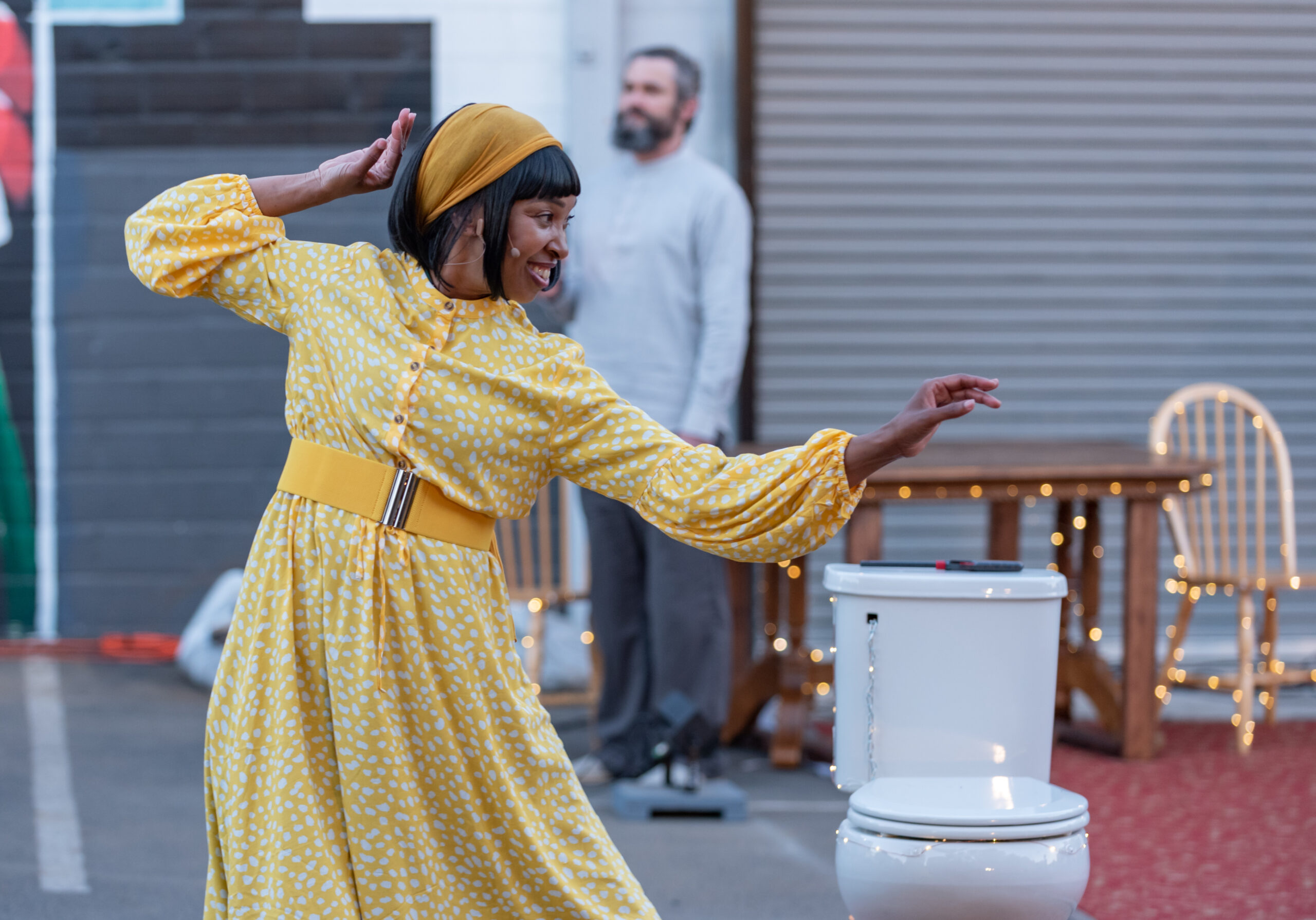
Dawn L. Troupe, Benoit Monin (from “Healing”). All photos by Carson French.
One can only imagine how many treasure troves of artistry lie hidden away around the world in dusty attics and musty cellars. Nina Collins, daughter of playwright and poet Kathleen Collins, has collected and released a rich reserve of her late mother’s previously unpublished works from the 1970s and 1980s. Included are four short plays that, while they are uneven, and despite their age, resonate today.
Like Kathleen Collins’s predecessor and inspiration, Zora Neale Hurston, who is referenced in “Begin the Beguine,” Collins’s work was largely unrecognized in her lifetime. Two films she wrote and produced were seen only on the festival circuit, with no commercial distribution. However, in the last several years, her “Losing Ground” from 1982 was released in various home electronics formats. In 2020, the National Film Registry of the Library of Congress designated the movie for preservation as being “culturally, historically, or aesthetically significant.”
Participating in a joint world premiere with Performance Space New York, Oakland Theater Project presents the quartet live, viewed by the audience in these pandemic times from their vehicles and heard through FM radio feed. Vehicles are parked only one-deep on three sides of the performance ground, so that the audience has unobstructed views as if from mid-orchestra around an outdoor thrust stage.
Michael Socrates Moran and Dawn L. Troupe co-direct, and the latter plays the lead role in each play. Ms Troupe’s passion for the project is evident in her commanding performances. Her four characters are not defined as comprising one identity, yet, a complex, archetypical profile derives from the aggregate. She must convey a wide range of emotions from reverent to hostile to sassy. She is aloof, alluring, and uncertain in defining a composite personality.
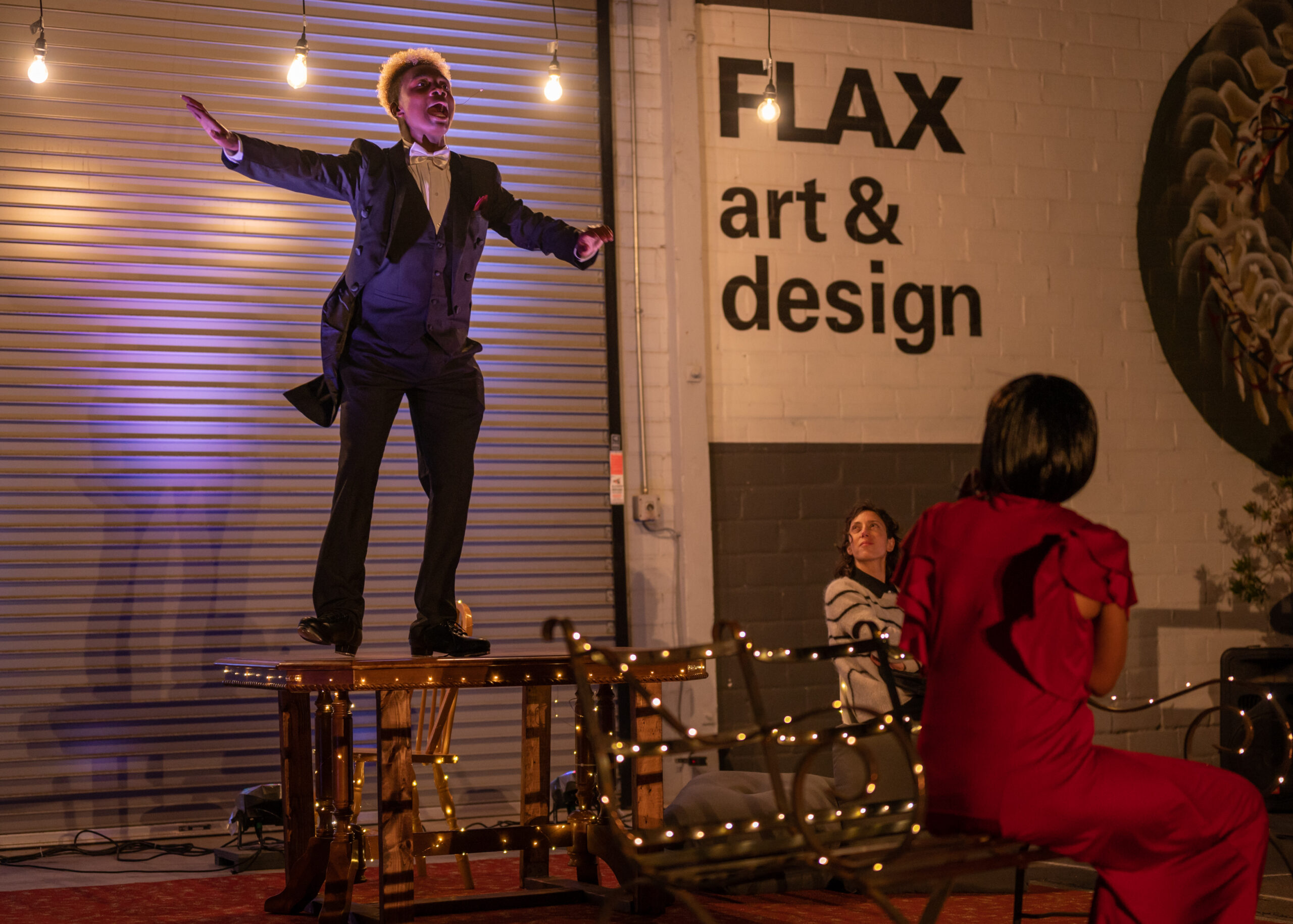
Leon Jones (from “Begin the Beguine”), Margherita Ventura (from “The Reading”).
It is not disclosed whether the plays were intended as a set, but together, they possess a symmetry in which the whole exceeds the sum of the parts. Taken as one, they plumb the psyche of a black woman, or a group of black women, if the viewer rejects the notion of four phases of a single character. The opening play is a soliloquy, while each of the remaining three have two significant players. But in each, the two characters are variously distinguished by contrasts in race, gender, and/or age. A professional or artistic black woman is central to each.
“Reflection,” the most universal and existential of the plays, confronts us at the outset. The black woman could be any ethnicity or gender as she confronts daily life and tries to find God. As a dancer and a housewife with daily chores to complete, she tries to reconcile the different lives she leads, wondering which one is real. The main concept in this play is of timeless interest, but consistent with the problem itself, the play offers no conclusion. This thread runs through the one-acts and may be unsatisfying for those looking for closure from stories.
Most animated, conflictual, and interesting is “The Reading.” Two women, one black and one white, await appointments with a psychic. The sociable and uninhibited white woman probes and expounds and begins to reveal stereotypical racial thoughts, while the black woman parries and condescends. Yet in the end, she, too, lets down her guard and shares her own inner thoughts. When the women learn that the psychic will have time for only one reading, which woman will it be, and why?
Most opaque is the eponymous third play, “Begin the Beguine.” A middle-aged actress engages with a younger man in a park. At first, it seems that he is her son, but the relationship becomes increasingly ambiguous to the point that he becomes every man. Her inclination to perform on and off stage is evident in her storytelling, but what does this say about her being? Is she trapped on a treadmill, or is she released?
In the final episode, “The Healing,” the black woman receives laying-on-of-hands treatment from a white therapist. Their fractious session evidences the divide between his offer of faith healing, a solution without reference to cause, versus her organic need to understand why it is that she hurts. Along the way, racial tension is heightened as she willfully breaks a rule of propriety and he participates in a naive act that may be perceived as a precursor to what we now consider appropriation.
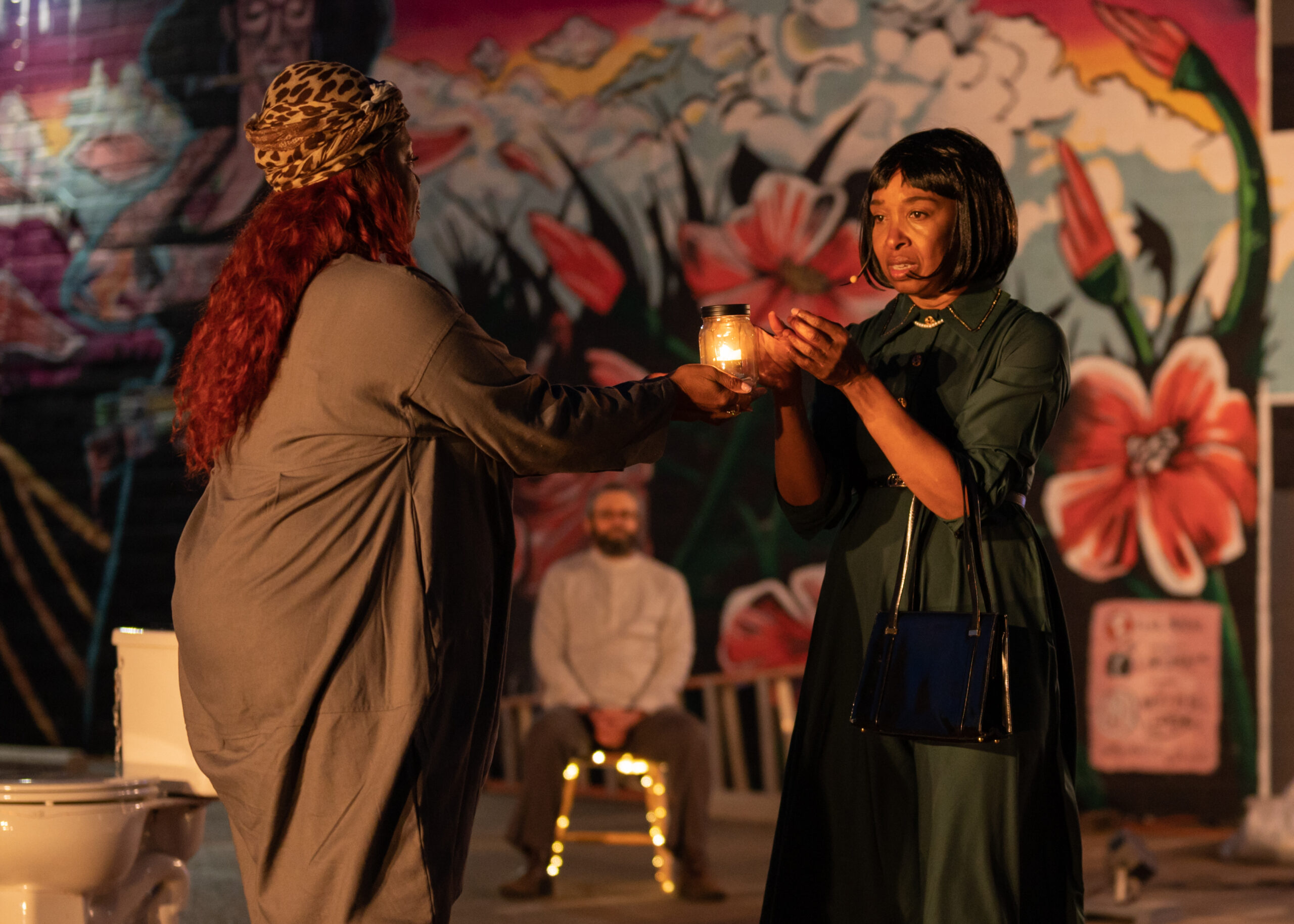
Kimberly Daniels (from”The Reading”), Dawn L. Troupe.
Kudos to OTP for devising ways to bring live theater to its audience. The staging of these four one-acts is simple, accented by attractive decorative lighting. The acting, mostly by company members, suits the material. Nonetheless, the plays would benefit from production in a more traditional environment. As a corollary to our time, observing a play from a car is a bit muffled, like breathing through a surgical mask, yet it certainly serves it purpose.
Through the series of incidents, we do gain understanding, as well as empathy, for this multidimensional woman. Each play possesses its own internal motivation and noteworthy development, but typical of such compilations, it lacks connection to provide a true dramatic arc. Minor adaptations to the texts could help facilitate connectiveness. Nonetheless, these works represent a notable artifact from an underappreciated author, and an interesting viewing for those drawn to this type of material.
“Begin the Beguine: A Quartet of One-Acts,” a world premiere of plays written by Kathleen Collins is produced by Oakland Theater Project and plays live in drive-in format at FLAX art & design, 1501 Martin Luther King Way, Oakland, CA through July 3, 2021 and streams online June 19-July 3, 2021.
Victor Cordell, Ph.D.
American Theatre Critics Association
San Francisco Bay Area Theatre Critics Circle
xxxxxxxxxxxxxxxxxxxx